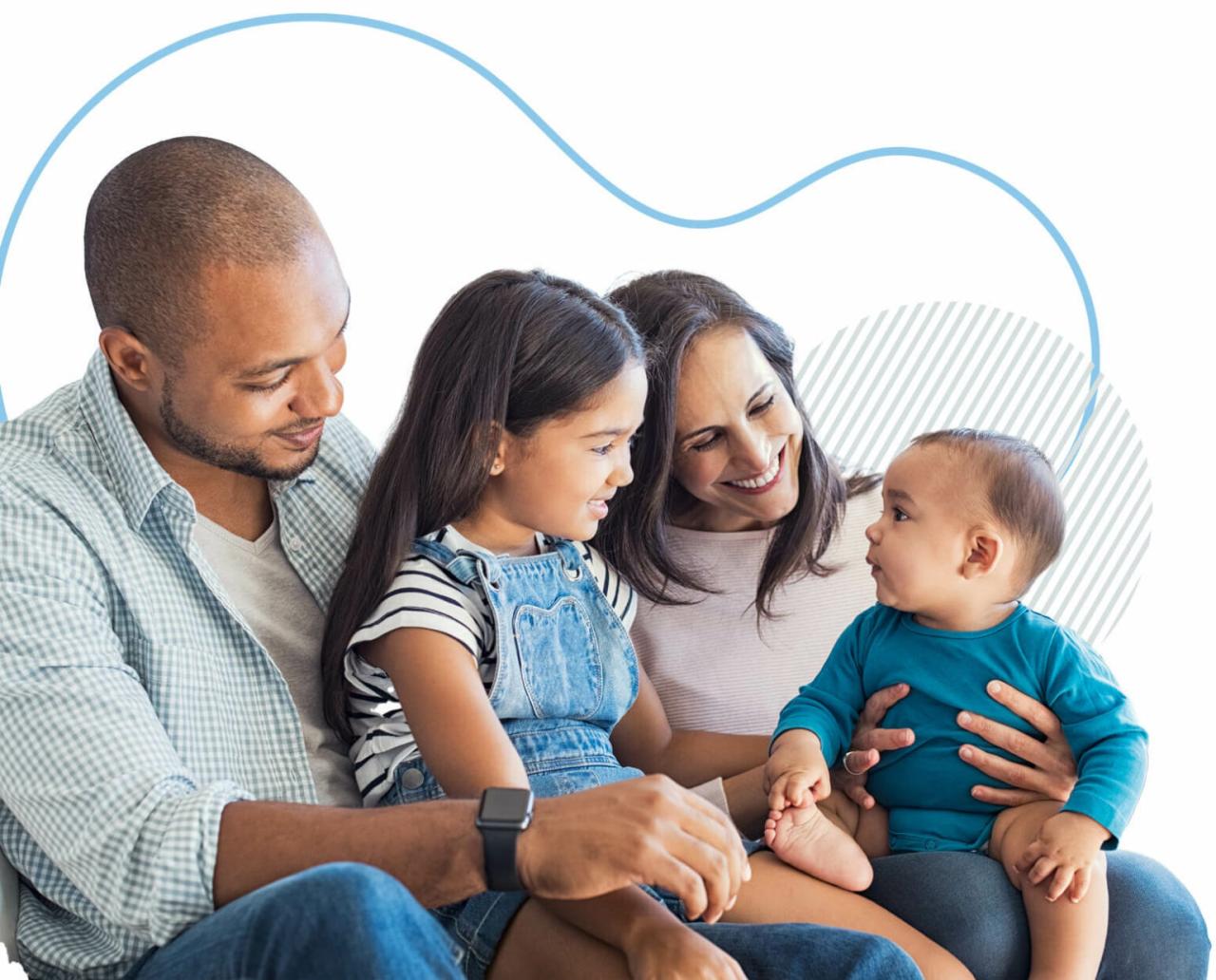
Trenton Christian Family Medicine is more than just a healthcare provider; it’s a community-focused practice that emphasizes holistic wellbeing and personal connection. With a commitment to serving families in the Trenton area, this practice integrates faith-based principles into every aspect of patient care, ensuring a compassionate approach to health and wellness.
From routine check-ups to specialized treatments, Trenton Christian Family Medicine aims to cater to the diverse needs of its patients while fostering a nurturing environment. The practice not only focuses on physical health but also values emotional and spiritual support, making it a unique choice for families seeking comprehensive medical care.
In today’s fast-paced world, the importance of effective communication cannot be overstated. Whether it’s in our personal lives or professional settings, the way we convey our thoughts and ideas significantly influences our relationships and success. This article delves into the nuances of communication, exploring its various forms, challenges, and strategies for improvement. ### Understanding CommunicationCommunication is the process of conveying information from one person or group to another.
It can be verbal, non-verbal, written, or visual. Each form has its own intricacies and plays a vital role in how we interact with others. Understanding these different forms of communication can enhance our ability to express ourselves clearly and effectively.#### Verbal CommunicationVerbal communication involves the use of spoken words. It is the most direct form of communication, allowing for immediate feedback and interaction.
However, it requires not just a clear articulation of words but also an understanding of tone, pitch, and volume. Effective verbal communication can lead to strong interpersonal relationships, as it fosters understanding and connection.#### Non-verbal CommunicationNon-verbal communication encompasses body language, facial expressions, gestures, and even eye contact. Often, what we don’t say speaks louder than our words. For instance, crossed arms may signal defensiveness, while a genuine smile can convey warmth and openness.
Being aware of non-verbal cues can enhance our ability to communicate effectively, as it helps us read others’ emotions and reactions.#### Written CommunicationWritten communication includes emails, reports, letters, and text messages. It allows for the documentation of information and provides a permanent record of communications. Effective written communication is essential in professional environments, where clarity and conciseness are crucial. However, it can sometimes lead to misunderstandings due to the absence of vocal tone and body language.
Therefore, it’s important to choose words carefully and structure messages clearly.#### Visual CommunicationVisual communication involves the use of images, charts, graphs, and other visual aids to convey information. In an age where attention spans are shorter, visual elements can enhance understanding and retention of information. They can help break down complex ideas and make information more accessible. Incorporating visual aids in presentations can significantly improve engagement and comprehension.### The Challenges of CommunicationDespite its importance, communication is fraught with challenges.
Misunderstandings, language barriers, and differing communication styles can all lead to confusion. Let’s explore some common challenges individuals face in communication.#### MisinterpretationOne of the biggest challenges in communication is misinterpretation. The sender may have a clear message in mind, but the receiver may not interpret it as intended. This can lead to conflicts and misunderstandings. For example, sarcasm may be taken literally, or a joke may not land as expected.
#### Language BarriersIn a globalized world, language barriers are increasingly common. Multilingual environments can lead to complications in understanding and conveying messages. This is especially relevant in professional settings where clarity is paramount. It’s important to be mindful of language differences and make an effort to communicate in a way that is inclusive and clear.#### Differing Communication StylesEach individual has a unique communication style influenced by their personality, culture, and experiences.
Some may prefer direct communication, while others lean towards a more indirect approach. Recognizing and adapting to different styles can enhance interpersonal interactions and minimize friction.### Strategies for Effective CommunicationImproving communication skills takes practice and self-awareness. Here are some practical strategies to enhance your communication abilities:#### Active ListeningActive listening is the foundation of effective communication. It involves fully concentrating, understanding, responding, and remembering what is being said.
By practicing active listening, you show respect to the speaker and foster a more open dialogue. Techniques like summarizing what the other person has said can help ensure mutual understanding.#### Clarity and ConcisenessWhen conveying information, strive for clarity and conciseness. Avoid jargon and overly complex language that may confuse the audience. Instead, aim to express your thoughts in a straightforward manner.
This not only makes your message easier to understand but also demonstrates respect for your audience’s time.#### EmpathyEmpathy is the ability to understand and share the feelings of another person. Incorporating empathy into communication can significantly enhance relationships. By acknowledging the emotions of others, you foster trust and openness, creating a safe space for discussions.#### Tailoring Your MessageConsider your audience when crafting your message.
Different groups may require different tones, styles, or levels of detail. Tailoring your communication ensures that your message resonates with the audience, increasing the likelihood of a positive response.#### Non-verbal AwarenessBeing aware of your own non-verbal signals and those of others can greatly enhance communication. Pay attention to body language, eye contact, and facial expressions. Aligning verbal messages with non-verbal cues can reinforce your message and build trust.### The Role of Technology in CommunicationIn recent years, technology has transformed the way we communicate.
From instant messaging apps to video conferencing platforms, the digital age has made communication more accessible than ever. However, it also presents new challenges and considerations.#### Instant CommunicationWhile technology allows for instant communication, it can also lead to misunderstandings due to the lack of context. Tone and body language are often lost in written digital communication. To mitigate this, be mindful of how your messages may be interpreted and consider using emojis or gifs to convey tone when appropriate.#### Virtual CommunicationThe rise of virtual communication platforms has changed the dynamics of interpersonal interactions.
Video calls can bridge the gap of physical distance, but they also come with unique challenges, such as technical issues and distractions. To communicate effectively in virtual settings, ensure that you are present and engaged, minimizing potential distractions.#### Balancing Online and Offline CommunicationWhile technology offers convenience, it’s important to balance online communication with face-to-face interactions. Personal connections built through in-person conversations often lead to deeper relationships and understanding.
Make an effort to engage with others in person whenever possible.### ConclusionEffective communication is a multifaceted skill that requires ongoing practice and awareness. By understanding the various forms of communication, recognizing challenges, and implementing strategies for improvement, we can enhance our interpersonal skills and foster stronger relationships. In a world where communication shapes our personal and professional lives, investing time in becoming a better communicator is a valuable endeavor.
In summary, whether you’re navigating a casual conversation with friends or presenting a project at work, effective communication is key. Embrace the journey of improving your skills, and you’ll likely find that your relationships—both personal and professional—will flourish as a result.
Query Resolution
What services does Trenton Christian Family Medicine offer?
They provide a wide range of services including preventive care, chronic disease management, and family planning.
Is there a faith-based approach to treatment?
Yes, the practice integrates Christian principles into their care, promoting both spiritual and physical health.
Are there pediatric services available?
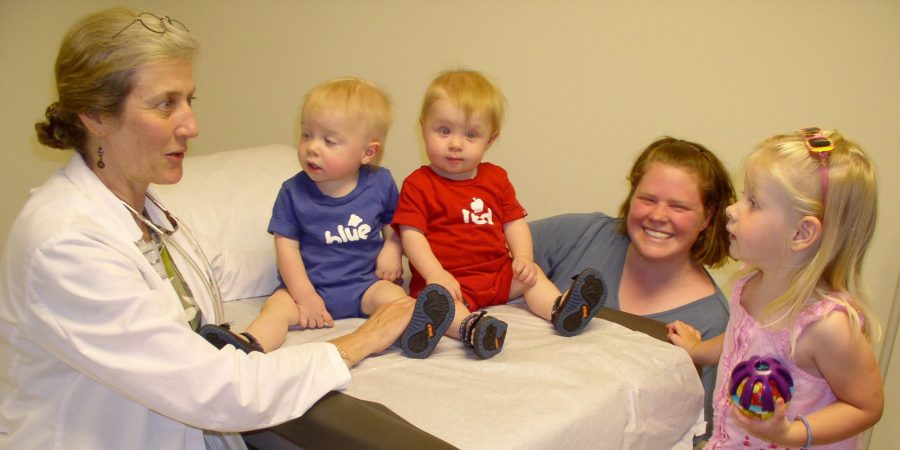
Absolutely, they offer comprehensive care for children, ensuring that the entire family is taken care of.
How can I schedule an appointment?
Appointments can be scheduled by calling their office directly or through their website’s appointment portal.
Do they accept insurance?
Yes, Trenton Christian Family Medicine accepts a variety of insurance plans to accommodate patients’ needs.