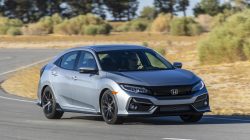
As 2022 accord hybrid touring takes center stage, this opening passage beckons readers into a world of advanced automotive technology and eco-friendliness. The 2022 Accord Hybrid Touring model stands out with its impressive fuel efficiency, premium features, and cutting-edge safety technology. In a market increasingly focused on sustainability, this hybrid vehicle not only meets but exceeds expectations, making it a compelling choice for modern drivers.
With a sophisticated design and a host of technological advancements, the 2022 Accord Hybrid Touring caters to those seeking both performance and environmental responsibility. Its spacious interior combined with a suite of smart features makes every journey enjoyable, while the hybrid engine ensures you can go the extra mile with minimal fuel consumption.
Communication is the cornerstone of human interaction. Whether it’s a casual chat with friends or a formal meeting at work, the ability to convey ideas clearly and understand others is crucial. In a world that is increasingly interconnected, mastering the art of effective communication can transform our personal relationships and enhance our professional success.
Understanding the Basics of Communication
At its core, communication involves a sender, a message, and a receiver. The sender encodes the message, which is then transmitted through a medium, and finally decoded by the receiver. This process may seem straightforward, but various factors can disrupt effective communication.
Barriers to Effective Communication
There are several barriers to effective communication, including:
- Language Differences: Different languages or jargon can create misunderstandings.
- Cultural Differences: Cultural backgrounds influence how messages are interpreted.
- Emotional Barriers: Stress, anxiety, or anger can hinder one’s ability to communicate clearly.
- Physical Distractions: Noisy environments or interruptions can disrupt the flow of communication.
The Importance of Active Listening
One of the most critical aspects of effective communication is active listening. This involves fully concentrating on what is being said rather than just passively hearing the words. Here are some key techniques:
- Maintain Eye Contact: This shows that you are engaged and interested in the conversation.
- Avoid Interrupting: Let the speaker finish their thoughts before responding.
- Provide Feedback: Summarizing what has been said can clarify understanding and show that you are listening.
- Empathize: Try to understand the speaker’s perspective and emotions.
Non-Verbal Communication: The Power of Body Language
Non-verbal cues often convey more than words. Body language, facial expressions, and gestures can enhance or contradict the spoken message. For example, crossing arms may indicate defensiveness, while an open posture shows receptiveness. Being aware of your own non-verbal signals, as well as those of others, is essential for effective communication.
Crafting Your Message
When preparing to communicate, whether in writing or speaking, clarity and conciseness are key. Here are some tips for crafting your message:
- Know Your Audience: Tailor your message based on the background and expectations of your audience.
- Be Clear and Concise: Avoid jargon and complex vocabulary unless necessary. Simplifying your message can prevent misunderstandings.
- Organize Your Thoughts: Structure your message logically, using bullet points or headings if needed to improve readability.
- Be Open to Questions: Encourage feedback or questions to ensure that your message is understood.
Adapting Communication Style
Another vital aspect of effective communication is adapting your style to suit different contexts and audiences. A formal presentation at work requires a different approach than an informal conversation with friends. Here are ways to adjust your style:
- Consider the Context: Match your tone and language to the setting—more formal in professional environments and relaxed in casual situations.
- Be Culturally Sensitive: Understand cultural norms and practices that may influence communication styles.
- Adjust Your Pace: Be mindful of how quickly you speak, especially when addressing those for whom the language may be a second language.
The Role of Technology in Communication
In today’s digital age, technology plays a significant role in how we communicate. Email, social media, and video conferencing have transformed traditional communication methods. However, relying heavily on technology can also lead to misunderstandings due to the lack of non-verbal cues. Thus, it’s essential to maintain a balance between digital communication and face-to-face interactions.
Building Rapport and Trust
Effective communication extends beyond just exchanging information; it’s about building rapport and trust. Here are some strategies to foster stronger relationships:
- Be Authentic: Honesty fosters trust. Be genuine in your interactions.
- Show Appreciation: Acknowledging others’ contributions can strengthen relationships.
- Be Respectful: Show respect for differing viewpoints, which encourages open dialogue.
- Follow Up: Check in with others after a conversation to reinforce the connection.
Overcoming Communication Challenges
Despite our best efforts, communication challenges will inevitably arise. Whether it’s a misunderstanding with a colleague or a disagreement with a friend, here’s how to navigate these situations effectively:

- Stay Calm: Take a moment to breathe and collect your thoughts before responding.
- Seek Clarification: Don’t hesitate to ask questions if something isn’t clear.
- Apologize if Necessary: If you’ve made a mistake, a sincere apology can go a long way in mending relationships.
- Focus on Solutions: Rather than dwelling on the problem, discuss potential solutions together.
Conclusion: The Continuous Journey of Communication
Effective communication is not a one-time skill but a continuous journey. As we evolve, so should our communication styles and techniques. By practicing active listening, adapting our messages, and embracing the digital world while maintaining authenticity, we can enhance our personal and professional relationships. Remember, it’s not just about talking; it’s about connecting, understanding, and building meaningful relationships that will last a lifetime.
FAQ
What is the fuel efficiency of the 2022 Accord Hybrid Touring?
The 2022 Accord Hybrid Touring achieves an impressive EPA-rated fuel efficiency of around 48 MPG combined.
What are the key safety features included?
It comes equipped with Honda Sensing, which includes collision mitigation braking, road departure mitigation, adaptive cruise control, and lane-keeping assist.
Is there ample cargo space in the 2022 Accord Hybrid Touring?
Yes, it offers a generous trunk space, providing about 16.7 cubic feet of cargo capacity.
What technology options are available in this model?
The model features a 12.3-inch touchscreen, Apple CarPlay, Android Auto, and a premium audio system for enhanced connectivity and entertainment.
Does the 2022 Accord Hybrid Touring have all-wheel drive?
No, the Accord Hybrid Touring is only available in front-wheel drive.