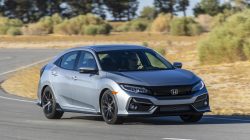
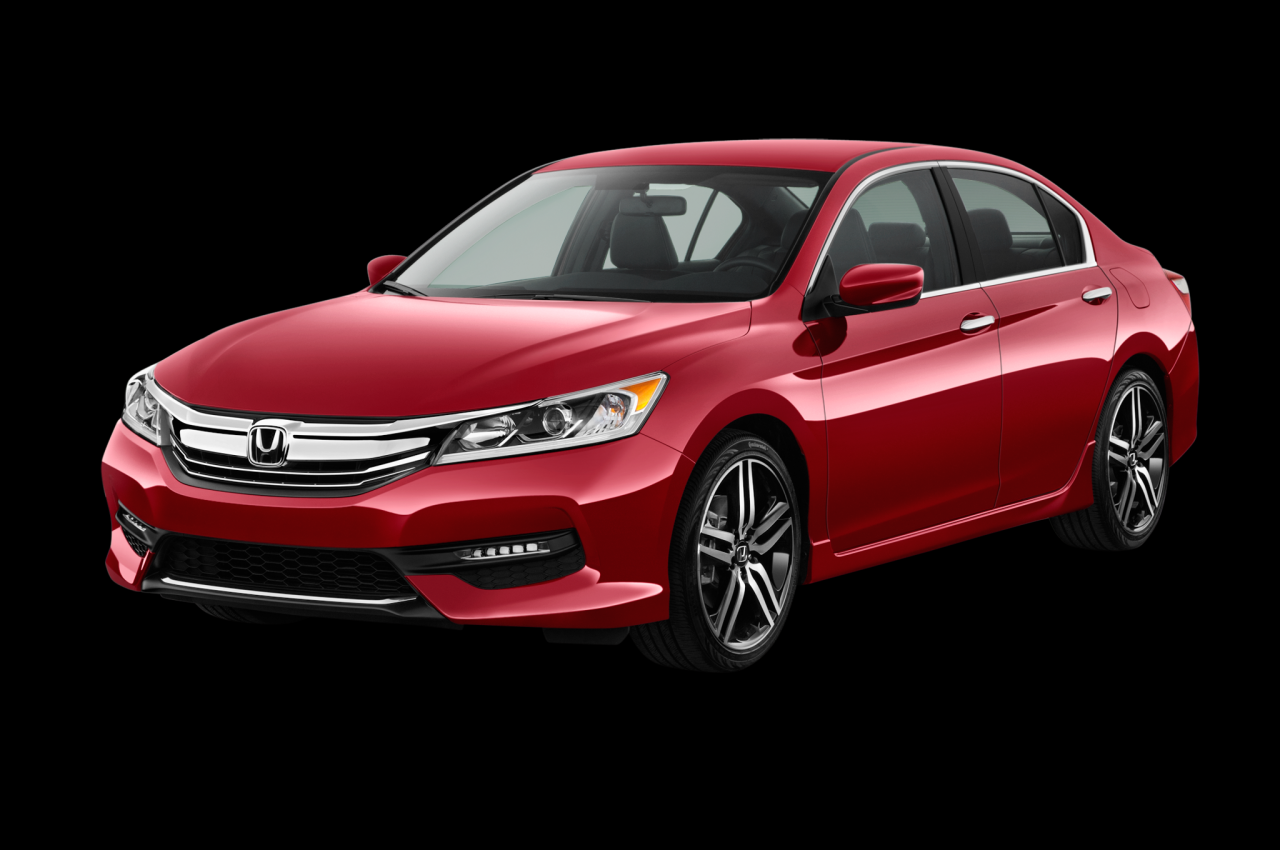
As accord exl vs touring takes center stage, this opening passage beckons readers into a world where automotive innovation meets personal preference. In the competitive landscape of sedans, the Honda Accord EX-L and Touring trims stand out, each offering unique features and advantages that cater to different driver needs.
The Accord EX-L is known for its balance of luxury and value, providing a well-rounded experience with premium features. On the other hand, the Touring trim pushes the envelope further with advanced technology and comfort, making it an appealing choice for those who seek the best. This overview sets the stage for a detailed comparison of these two popular models.
In today’s fast-paced world, the importance of effective communication cannot be overstated. It serves as the backbone for relationships, whether they are personal or professional. The way we express ourselves can significantly impact our interactions, influence others, and ultimately shape our experiences. Understanding the nuances of communication is key to fostering positive relationships and achieving success.
The art of communication involves not only verbal skills but also non-verbal cues, active listening, and emotional intelligence. It’s crucial to recognize that communication is a two-way street. While expressing our thoughts and feelings clearly is important, equally vital is the ability to listen and respond thoughtfully to others. Active listening—the practice of fully concentrating, understanding, responding, and remembering what is being said—is an essential component of effective communication.
Moreover, non-verbal communication plays a significant role in how messages are conveyed. Body language, facial expressions, gestures, and even silence can communicate volumes. For instance, maintaining eye contact can convey confidence and attentiveness, while crossed arms may suggest defensiveness or disinterest. Understanding these non-verbal signals can enhance our ability to connect with others on a deeper level.
Emotional intelligence, defined as the ability to recognize, understand, and manage our emotions as well as the emotions of others, is another critical aspect of effective communication. Individuals with high emotional intelligence can navigate social complexities with ease, empathize with others, and maintain effective relationships. This skill allows for better conflict resolution and collaboration, making it invaluable in both personal and professional settings.
In the workplace, communication skills are often a key factor in determining career success. Employers look for candidates who can articulate their thoughts clearly, collaborate with team members, and engage with clients effectively. Poor communication can lead to misunderstandings, decreased productivity, and a toxic work environment. Therefore, honing these skills can provide a distinct advantage in one’s career.
To improve our communication skills, we can adopt several strategies. First and foremost, practicing active listening is essential. This means not only hearing but truly understanding what the other person is saying. To do this, we can paraphrase their points, ask clarifying questions, and provide feedback to show that we are engaged in the conversation.
Another effective strategy is to pay attention to our body language. Being aware of our non-verbal signals can help us convey confidence and openness. Additionally, being mindful of the body language of others can provide insight into their feelings and reactions, allowing us to adjust our communication style accordingly.
Furthermore, cultivating emotional intelligence can significantly enhance our communication skills. This can be achieved through self-reflection and mindfulness practices. By becoming more aware of our emotions, we can better manage them during conversations. Additionally, seeking to understand the emotions of others can foster empathy and strengthen our connections.
Engaging in role-playing or simulation exercises can also be beneficial, especially in professional settings. These activities enable individuals to practice their communication skills in a safe environment, receive feedback, and refine their approach. Moreover, reading books or attending workshops focused on communication can provide valuable insights and techniques for improvement.
In addition to these strategies, it is important to embrace feedback. Constructive criticism can be a powerful tool for growth. By being open to feedback from colleagues, friends, or mentors, we can identify areas of improvement and adjust our communication style accordingly. This willingness to learn and adapt can lead to more effective interactions and stronger relationships.
Lastly, it’s essential to recognize that communication is not a one-size-fits-all approach. Different situations and individuals may require different styles of communication. Being adaptable and flexible in our approach can lead to more successful interactions. For instance, communicating with a colleague may require a more formal tone, while conversing with a friend may allow for a more relaxed and casual style.
In conclusion, effective communication is a multifaceted skill that plays a crucial role in our interactions and relationships. It encompasses verbal and non-verbal elements, active listening, and emotional intelligence. By honing these skills, we can foster positive connections, enhance our professional opportunities, and navigate the complexities of human interaction. Whether in personal relationships or professional environments, the ability to communicate effectively is an invaluable asset that can lead to success and fulfillment.
Ultimately, the journey to becoming a skilled communicator requires continuous learning and practice. Embracing new strategies, being open to feedback, and adapting our approach to different situations will empower us to connect with others authentically and meaningfully. As we invest in our communication skills, we pave the way for richer relationships and greater achievements in every aspect of our lives.
Frequently Asked Questions
What are the main differences between the EX-L and Touring trims?
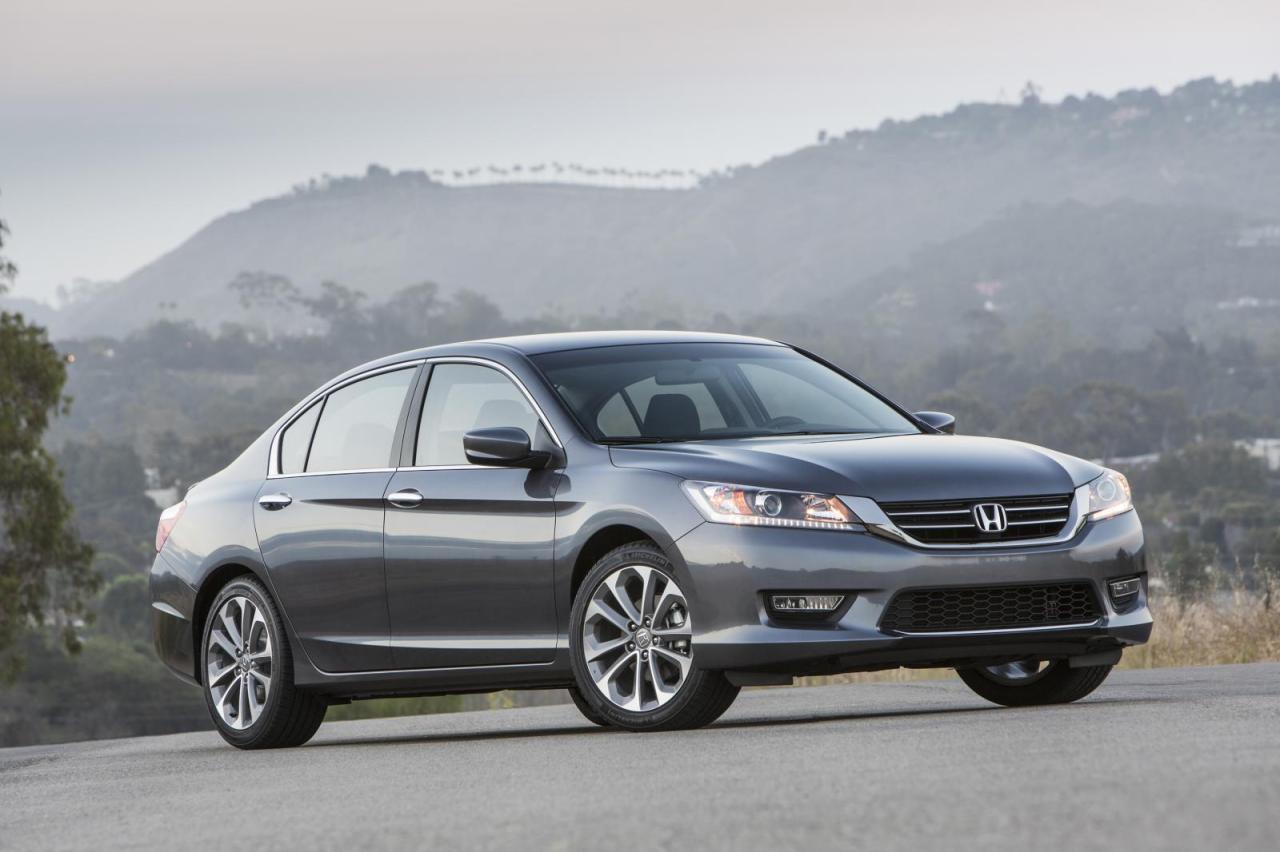
The main differences include additional features in the Touring trim such as a larger infotainment system, premium audio, and advanced safety technologies.
Is the Touring worth the extra cost compared to the EX-L?
It depends on your preferences; if you value advanced features and luxury, the Touring could be worth it.
Are there significant performance differences between the two models?
Both models typically have the same engine, so performance differences are minimal, focusing more on features and comfort.
Which trim has better fuel efficiency?
Fuel efficiency is generally similar between the two trims, though the additional features in the Touring may slightly impact overall efficiency.
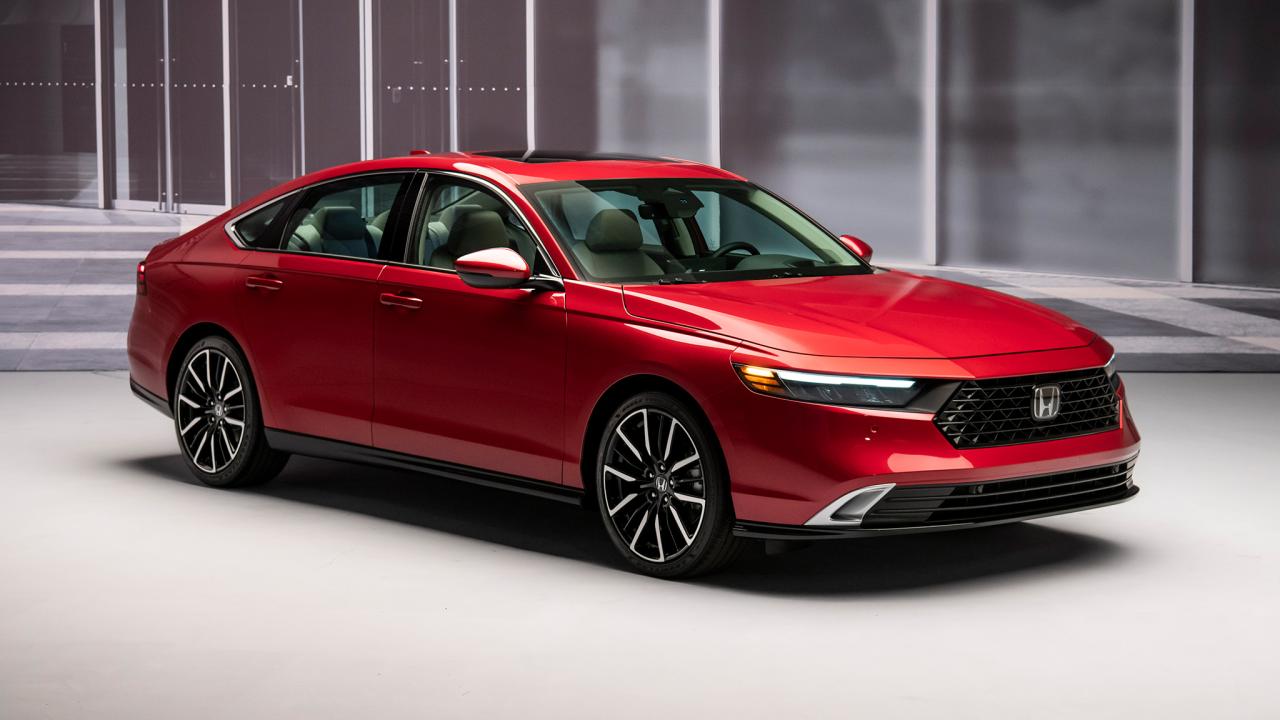
How do safety features compare in both trims?
Both trims come with Honda Sensing safety features, but the Touring might offer additional options for enhanced safety.