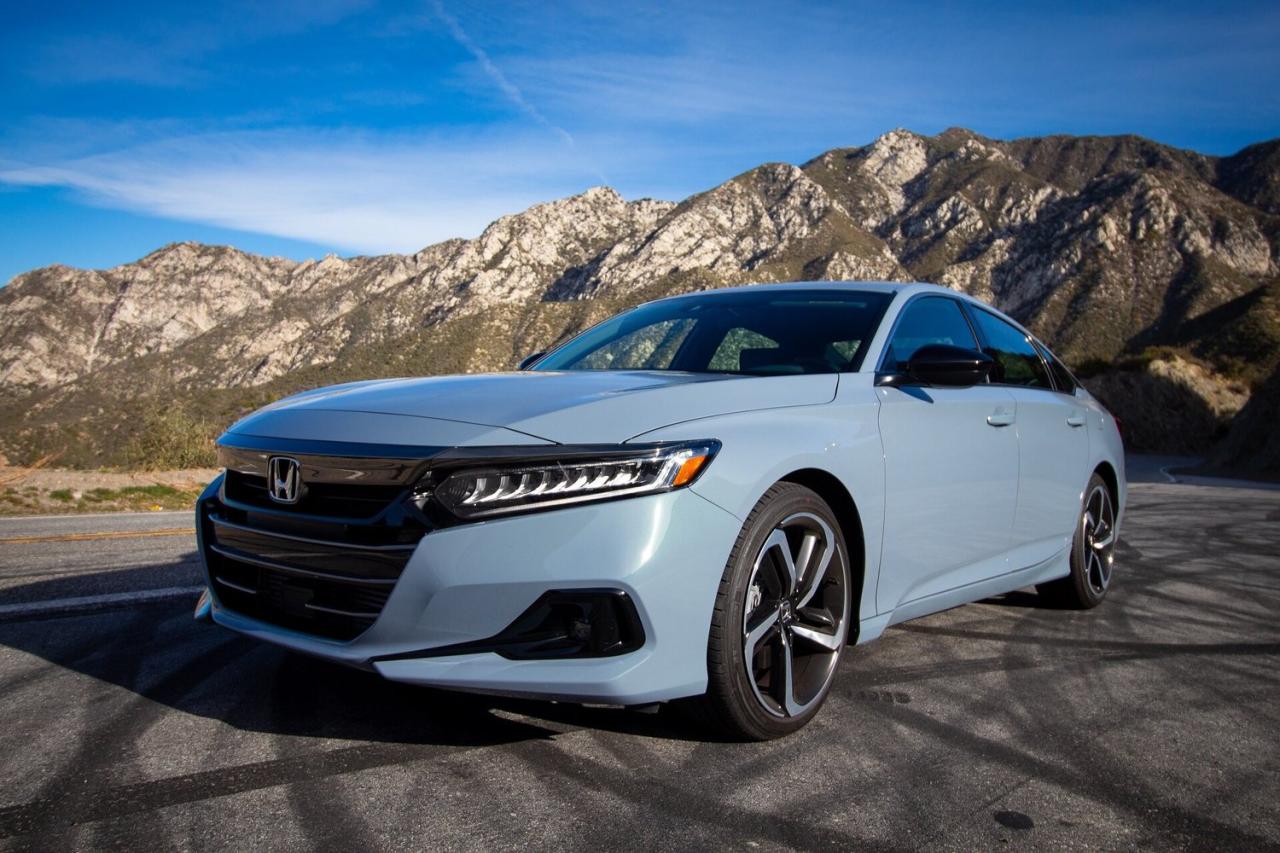
accord sport vs touring sets the stage for this enthralling narrative, offering readers a glimpse into a story that is rich in detail and brimming with originality from the outset.
In the ever-evolving world of automobiles, the Honda Accord Sport and Touring trim levels stand out as two popular choices among car enthusiasts and everyday drivers alike. With varying features, performance capabilities, and design elements, understanding the differences between these trims can help potential buyers make informed decisions. This discussion delves into the strengths of each, highlighting what sets them apart and how they cater to distinct preferences.
In recent years, the way we perceive work has undergone a significant transformation. Remote work, once a niche option for some, has burst into the mainstream, reshaping the future of employment. This change isn’t just a passing trend; it represents a paradigm shift in how businesses operate and how employees view their roles. In this article, we will explore the factors that have contributed to the rise of remote work, the benefits and challenges associated with it, and what the future might hold.
Factors Fueling the Remote Work Revolution
Several key factors have contributed to the growing popularity of remote work. One of the most significant developments has been the advancement of technology. With high-speed internet and the proliferation of collaboration tools, employees can now perform their jobs from virtually anywhere, breaking down geographical barriers that once defined the workplace. Video conferencing platforms like Zoom, project management tools like Slack, and cloud-based services like Google Drive have made it easier than ever for teams to collaborate effectively, regardless of their physical locations.
Another catalyst for the remote work trend has been the evolving expectations of employees. Today’s workforce, particularly millennials and Generation Z, prioritize work-life balance over traditional job perks. They seek flexibility in their work arrangements, which allows them to manage personal responsibilities alongside professional obligations. Remote work provides the perfect solution to this demand, enabling employees to create schedules that suit their lifestyles.
The COVID-19 pandemic also played a crucial role in accelerating the remote work trend. When the world went into lockdown, businesses had no choice but to adapt to remote operations. This forced experiment demonstrated that many jobs could be performed effectively from home, leading employees and employers alike to rethink the necessity of traditional office spaces. As companies began to see the potential cost savings from reduced office space, the idea of remote work gained further traction.
Benefits of Remote Work
Remote work comes with a plethora of benefits for both employees and employers. For employees, the most notable advantage is flexibility. The ability to create a personalized work environment and schedule means that individuals can work during their most productive hours. This flexibility also allows for a better balance between personal and professional lives, reducing stress and increasing job satisfaction.
From an employer’s perspective, remote work can lead to increased productivity. Many studies have indicated that remote workers tend to be more focused and efficient, as they can customize their workspaces to suit their needs and minimize distractions. This increased productivity can translate into better outcomes for businesses, as employees produce high-quality work without the common interruptions found in traditional office settings.
Moreover, remote work opens up a broader talent pool for employers. Companies are no longer limited to hiring individuals within a specific geographical area. This ability to tap into a global workforce means that businesses can find the best talent, regardless of location, leading to enhanced innovation and competitiveness.

Challenges of Remote Work
Another challenge is the blurring of boundaries between work and personal life. With the office now just a few steps away, many remote workers struggle to “switch off” at the end of the day. This can lead to burnout if employees find it difficult to establish a clear separation between their professional and personal lives.
Communication can also be a hurdle in remote work environments. While technology has made it easier to stay connected, it can never fully replace the nuances of face-to-face communication. Misunderstandings can arise in virtual conversations, and the lack of non-verbal cues can lead to misinterpretations. It’s crucial for teams to establish clear communication protocols and leverage various tools to ensure everyone is on the same page.
Tips for Successful Remote Work
To navigate the challenges of remote work successfully, both employees and employers can adopt certain strategies. For employees, establishing a dedicated workspace can help create a professional atmosphere, promoting focus and productivity. Setting specific working hours and sticking to them can also aid in maintaining a work-life balance.
Employers play a vital role in supporting remote teams. Regular check-ins through video calls, virtual team-building activities, and open lines of communication can help combat feelings of isolation. Creating an inclusive company culture that values feedback and encourages collaboration, even in a remote setting, is essential for maintaining employee engagement.
The Future of Remote Work
As we look ahead, it’s clear that remote work is here to stay. Many companies are adopting hybrid models, allowing employees to work both in-office and remotely. This flexibility caters to different needs and preferences, creating a more adaptable work environment.
Moreover, businesses that embrace remote work are likely to have a competitive edge in attracting top talent. As remote work continues to become the norm, organizations that resist this change may struggle to keep pace with those that recognize the benefits of a flexible workforce.
As technology continues to evolve, we can also anticipate the emergence of new tools designed to enhance remote collaboration and communication. Virtual reality and augmented reality may soon play a role in creating immersive work environments, further bridging the gap between remote and in-person experiences.
Conclusion
The rise of remote work has undeniably changed the landscape of employment. As we navigate this new era, it’s crucial for both employees and employers to adapt to the evolving nature of work. By embracing the benefits while addressing the challenges, we can create a future where remote work is not just a temporary solution but a sustainable way of life.
In this new work environment, flexibility, communication, and a healthy work-life balance will be key to success for both individuals and organizations alike.
Q&A
What are the key differences between Accord Sport and Touring?
The key differences lie in features like infotainment systems, interior materials, and available engine options, with the Touring trim typically offering more luxury-oriented amenities.
Which trim offers better fuel efficiency?
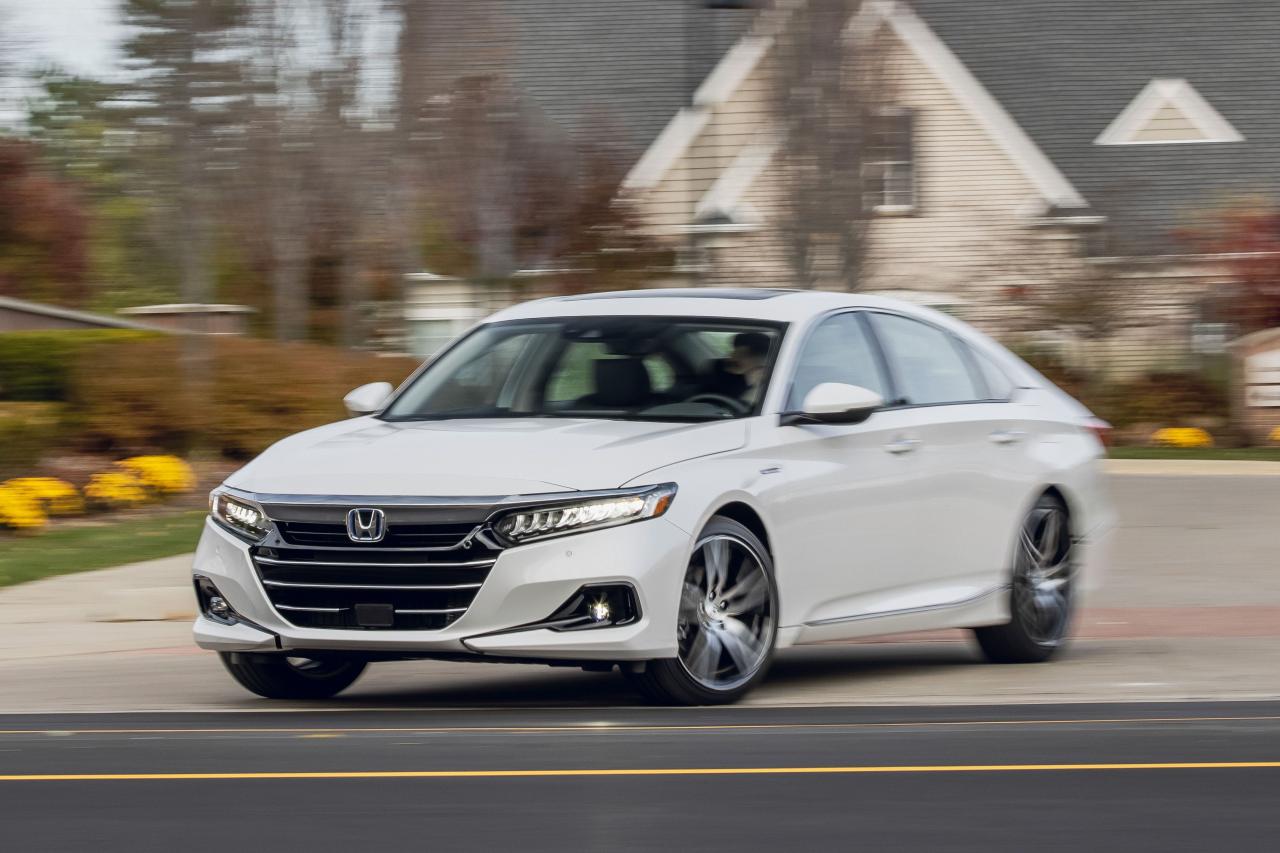
Generally, the Accord Sport may provide slightly better fuel efficiency due to its focus on a sportier, lighter design compared to the more feature-rich Touring trim.
Is the Accord Touring worth the extra cost?
If you prioritize luxury features, advanced technology, and comfort, the Accord Touring could justify the extra expense for a more refined driving experience.
Do both trims have the same safety features?
Yes, both trims come with Honda’s suite of safety features, including advanced driver-assist technologies, ensuring high safety standards across the board.
Can I customize either trim with additional features?
Yes, Honda offers various accessories and packages that allow customization for both the Sport and Touring trims to enhance features and aesthetics based on personal preferences.