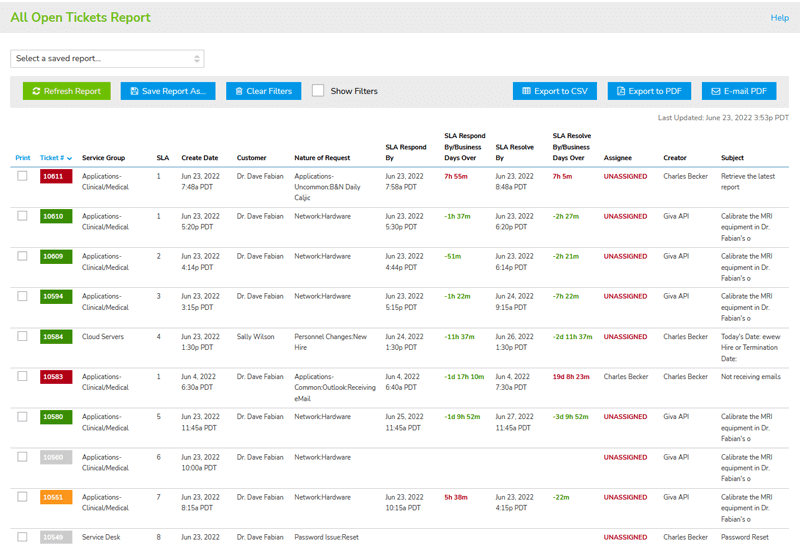
In the bustling realm of customer service, ticket management solutions stand as crucial tools designed to streamline operations and enhance the overall user experience. These systems not only help businesses track and resolve customer inquiries but also improve communication and efficiency within teams. As organizations strive to provide timely support, understanding the intricacies of ticket management becomes vital.
From automated workflows to real-time reporting, ticket management solutions offer a variety of features that cater to different business needs. By centralizing ticket handling, companies can ensure no customer queries slip through the cracks, thereby fostering a more responsive and organized approach to customer engagement. With the ever-evolving landscape of customer service, these solutions are more relevant than ever.
In recent years, the concept of sustainable living has gained significant traction as individuals and communities alike recognize the urgent need to address environmental challenges. Sustainable living refers to a lifestyle that attempts to reduce an individual’s or society’s use of the Earth’s natural resources. It encompasses a wide range of practices aimed at minimizing waste, conserving energy, and preserving natural ecosystems.
With the escalating concerns surrounding climate change, pollution, and biodiversity loss, understanding and adopting sustainable living practices is more crucial than ever. This article delves into the importance of sustainable living, the benefits it offers, and practical steps individuals can take to embrace a more sustainable lifestyle.
Understanding Sustainable Living
At its core, sustainable living is about making conscious choices that contribute to the well-being of the planet. It encourages individuals to consider the long-term impacts of their actions and to strive for a balance between economic, social, and environmental health. Sustainable living encompasses various aspects, including energy usage, waste management, transportation, and diet. By integrating sustainability into daily life, individuals can help mitigate the negative effects of human activity on the environment.
The Environmental Impact of Human Activities
Human activities have significantly contributed to environmental degradation. Deforestation, pollution, and the overexploitation of natural resources are just a few examples of how our actions have harmed the planet. The burning of fossil fuels for energy has led to increased greenhouse gas emissions, resulting in global warming and climate change. Moreover, plastic pollution has become a pressing issue, with millions of tons of plastic waste entering our oceans each year, threatening marine life and ecosystems.
As a response to these challenges, sustainable living promotes practices that reduce our ecological footprint. By choosing renewable energy sources, reducing waste, and supporting conservation efforts, individuals can play a vital role in protecting the environment for future generations.

The Benefits of Sustainable Living
Embracing a sustainable lifestyle offers numerous benefits, not only for the environment but also for individuals and communities. Here are some key advantages:
1. Environmental Protection
By adopting sustainable practices, individuals can significantly reduce their impact on the environment. This includes conserving water, reducing energy consumption, and minimizing waste. These actions help preserve natural resources, protect biodiversity, and combat climate change.
2. Improved Health
Sustainable living often promotes healthier choices. For instance, individuals who choose to eat locally sourced and organic foods may experience better health outcomes. Additionally, reducing reliance on cars and opting for walking, biking, or public transportation can lead to increased physical activity and improved air quality, benefiting overall health.
3. Economic Savings
While some may perceive sustainable living as an expensive endeavor, it can lead to significant cost savings in the long run. Energy-efficient appliances, for example, can reduce electricity bills, while buying in bulk and reducing waste can lower grocery expenses. Furthermore, investing in sustainable products often results in longer-lasting items, reducing the need for frequent replacements.
4. Community Engagement
Sustainable living encourages individuals to become actively involved in their communities. Participating in local environmental initiatives, such as tree planting or clean-up events, fosters a sense of belonging and shared responsibility. Engaging with like-minded individuals can also lead to the development of innovative solutions to local environmental challenges.
5. Enhanced Quality of Life
Living sustainably often leads to a simpler, more fulfilling lifestyle. By prioritizing meaningful experiences over material possessions, individuals can cultivate deeper connections with nature, their communities, and themselves. This focus on quality over quantity can lead to increased happiness and life satisfaction.
Practical Steps Towards Sustainable Living
Transitioning to a sustainable lifestyle may seem daunting at first, but it doesn’t have to be overwhelming. Here are some practical steps individuals can take to embrace sustainability:
1. Reduce, Reuse, Recycle
One of the simplest ways to reduce waste is by following the three Rs: reduce, reuse, and recycle. Start by minimizing single-use products and opting for reusable alternatives, such as water bottles, shopping bags, and containers. When possible, repair items instead of discarding them, and ensure proper recycling of materials to divert waste from landfills.
2. Conserve Energy
Energy conservation is a crucial aspect of sustainable living. Simple actions, such as turning off lights when leaving a room, using energy-efficient appliances, and utilizing natural light, can make a significant difference. Additionally, consider investing in renewable energy sources, such as solar panels, to reduce dependency on fossil fuels.
3. Choose Sustainable Transportation
Transportation is a major contributor to greenhouse gas emissions. Whenever possible, opt for public transportation, carpooling, walking, or biking instead of driving. If a car is necessary, consider choosing a fuel-efficient or electric vehicle to minimize environmental impact.
4. Support Local and Sustainable Businesses
Supporting local farmers and businesses not only strengthens the local economy but also promotes sustainable practices. Look for organic and ethically sourced products, and support companies that prioritize environmental stewardship. This choice reduces the carbon footprint associated with transporting goods over long distances.
5. Educate Yourself and Others
Knowledge is power. Stay informed about environmental issues, sustainable practices, and innovations in sustainability. Share this knowledge with friends and family to inspire them to adopt more sustainable habits. Collective action can lead to meaningful change in communities and beyond.
Conclusion
In conclusion, sustainable living is not just a trend; it is a necessity in today’s world. As we face unprecedented environmental challenges, making conscious choices that prioritize sustainability is essential for the health of our planet and future generations. By understanding the importance of sustainable living, recognizing the benefits it offers, and taking practical steps to embrace it, we can collectively work towards a more sustainable and equitable world.
Every small action counts, and together, we can make a significant impact in the fight for a healthier planet.
Key Questions Answered
What are ticket management solutions?
Ticket management solutions are software tools that help organizations track, manage, and resolve customer inquiries or issues efficiently.
Why are ticket management solutions important?
They ensure timely responses to customer issues, improve team collaboration, and enhance overall customer satisfaction.
How do ticket management solutions benefit businesses?

They streamline communication, reduce response times, and provide insights through analytics for better decision-making.
Can ticket management solutions integrate with other tools?
Yes, many ticket management solutions offer integrations with CRM, email, and other business tools for seamless operations.
What features should I look for in a ticket management solution?
Look for features like automation, multi-channel support, reporting, and user-friendly interfaces to enhance efficiency.