Exploring the realm of ticketing solutions unveils a vital component in managing events efficiently. With the rise of digital platforms, the need for streamlined and user-friendly ticketing has never been more essential. The importance of integrating a robust ticketing solution cannot be understated, as it not only facilitates the sales process but also enhances the overall experience for attendees.
In an increasingly interconnected world, effective ticketing solutions offer event organizers the tools to manage sales, track attendance, and provide real-time updates, ensuring everything runs smoothly from start to finish. Whether it’s a concert, conference, or sports event, leveraging modern ticketing systems can significantly transform how events are planned and executed.
Effective communication is an essential skill that transcends various aspects of life. In our personal interactions, professional environments, and even in the digital space, the ability to convey thoughts and ideas clearly and persuasively is vital. This article delves into the nuances of effective communication—what it entails, why it’s important, and how you can improve it.
Understanding Communication
At its core, communication is the process of exchanging information, ideas, thoughts, or feelings. This can be achieved through various channels, including verbal, non-verbal, written, and visual means. Each form of communication has its own unique characteristics and potential pitfalls. For instance, while verbal communication allows for immediate feedback and clarification, written communication provides a permanent record that can be revisited.
Understanding these different forms is the first step toward mastering effective communication.
The Importance of Effective Communication
Why is effective communication so crucial? The answer lies in its various implications across different spheres:

- Relationship Building: Good communication fosters trust and understanding in relationships, whether personal or professional. It allows individuals to express their needs and feelings, facilitating deeper connections.
- Conflict Resolution: Misunderstandings often lead to conflicts. By communicating effectively, individuals can clarify intentions, address grievances, and work towards resolutions.
- Career Advancement: In the workplace, those who can articulate their ideas clearly and persuasively are often more successful. Effective communicators can lead teams, inspire others, and drive projects forward.
- Influence and Persuasion: Effective communication is key to influencing and persuading others. Whether it’s in marketing, negotiations, or leadership, the ability to convey messages in a compelling way can make a significant difference.
Barriers to Effective Communication
While striving for effective communication is important, various barriers can hinder this process. Understanding these barriers can help you navigate and overcome them:
- Physical Barriers: These include environmental factors that disrupt communication, such as noise, distance, or technical issues in digital communications.
- Language Barriers: Differences in language or jargon can lead to misunderstandings. It’s essential to use clear, simple language that is accessible to your audience.
- Emotional Barriers: Emotions such as anger, frustration, or anxiety can cloud judgment and lead to miscommunication. Being aware of your emotional state and that of your audience is crucial.
- Cultural Barriers: Cultural differences can affect how messages are interpreted. Being sensitive to cultural nuances can enhance understanding and prevent misinterpretation.
Strategies for Effective Communication
Now that we understand the importance of effective communication and the barriers that may impede it, let’s explore some strategies to improve this skill:
1. Active Listening
Active listening is about fully concentrating on what is being said rather than just passively hearing the speaker. This involves paying attention, showing empathy, and providing feedback. Techniques such as nodding, summarizing what the other person said, and asking clarifying questions can enhance this process.
2. Clarity and Conciseness
Being clear and concise in your communication is essential. Avoid jargon and complex vocabulary unless absolutely necessary. Focus on the key points you want to convey, and strip away any extraneous information that could distract from your message.
3. Non-Verbal Communication
Non-verbal cues, such as body language, facial expressions, and eye contact, can significantly impact your message. Being aware of these cues and ensuring they align with your verbal communication can reinforce your message and help build rapport.
4. Tailoring Your Message
Understanding your audience is crucial for effective communication. Tailor your message to fit the audience’s background, interests, and level of understanding. This customization can make your message more relatable and engaging.
5. Empathy and Understanding
Empathy plays a pivotal role in effective communication. By putting yourself in the listener’s shoes, you can better understand their perspective and respond appropriately. This approach not only enhances understanding but also builds trust.
Improving Written Communication
In today’s digital age, written communication is more prevalent than ever. Improving your writing skills can significantly enhance your overall communication effectiveness:
1. Structure Your Content
Organizing your thoughts logically is key in written communication. Use headings, bullet points, and paragraphs to break down complex information and make it more digestible.
2. Proofread and Edit
Always take the time to proofread and edit your written communications. Errors and typos can undermine your message and credibility. Consider using tools for grammar and spell-check, or seek feedback from a colleague.
3. Use Visual Aids
Incorporating visual elements such as images, charts, or videos can enhance understanding and retention of information. Visual aids can simplify complex ideas and make your communication more engaging.
The Role of Technology in Communication
Technology has transformed the landscape of communication, introducing new tools and platforms that facilitate interaction across distances. However, it also presents unique challenges:
1. Social Media
While social media platforms allow for quick and broad communication, they often lack the nuance of face-to-face interactions. It’s essential to be mindful of tone and context when communicating in such environments.
2. Email Etiquette
Email remains one of the primary forms of business communication. Adhering to proper email etiquette—such as using clear subject lines, proper greetings, and respectful language—can enhance your professionalism and the effectiveness of your communication.
3. Video Conferencing
With remote work becoming more prevalent, video conferencing has become a staple. Ensuring good lighting, a clutter-free background, and a reliable internet connection can improve the quality of your communication during virtual meetings.
Conclusion
In conclusion, the art of effective communication is multifaceted and requires ongoing practice and self-awareness. By understanding the principles of communication, recognizing potential barriers, and employing strategies to enhance your skills, you can significantly improve your ability to connect with others. In a world where communication is key to personal and professional success, investing time in honing this skill is undoubtedly worthwhile.
FAQ Section
What is a ticketing solution?
A ticketing solution is a software platform that facilitates the selling, distribution, and management of tickets for events.
How does a ticketing solution benefit event organizers?
It simplifies the ticket sales process, provides insights on attendance, and enhances customer engagement.
Can ticketing solutions integrate with other software?
Yes, many ticketing solutions can integrate with CRM systems, marketing tools, and payment processors to streamline operations.
What types of events can use ticketing solutions?
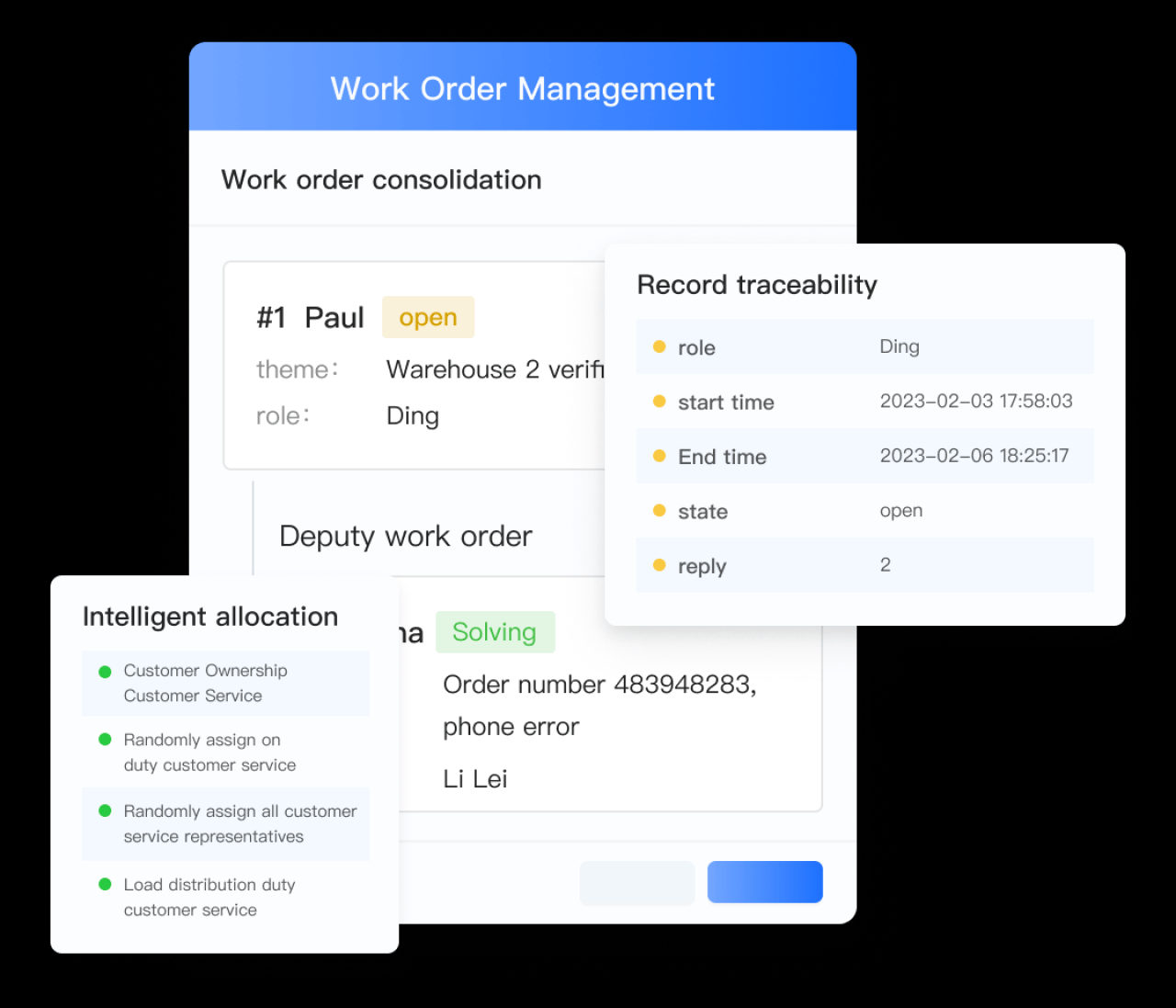
Ticketing solutions can be used for a wide range of events, including concerts, festivals, conferences, sports events, and more.
Are there mobile options for ticketing solutions?
Many ticketing solutions offer mobile applications or mobile-optimized websites for easy access and ticket purchasing on the go.